Guide · 7 min read
Planning a Landscape Refresh for Your Marco Island Home
How to decide what to keep, what to change and where to start when your yard needs an update.
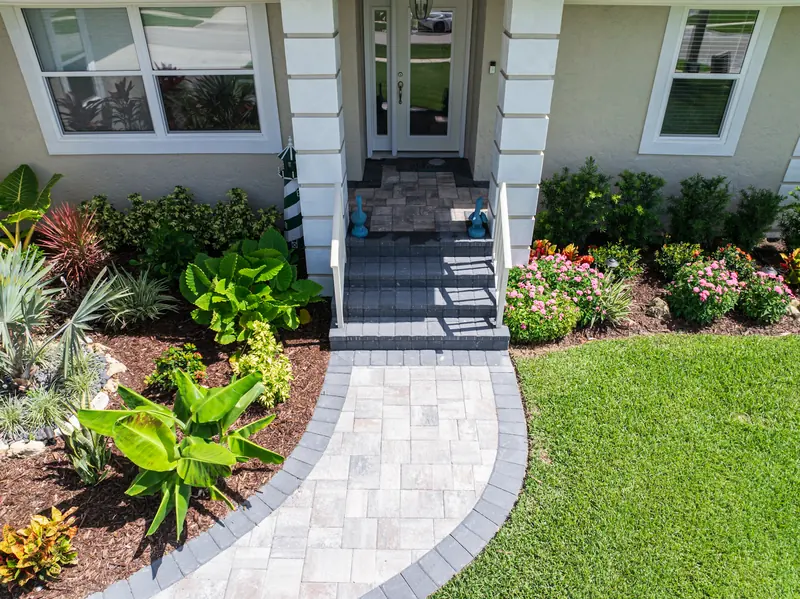
Most landscapes do not fail all at once. Shrubs slowly creep over walkways, a few plants decline and get replaced with whatever was available, mulch fades, and one day the yard no longer matches the house. A landscape refresh is a chance to step back and make deliberate choices rather than continuing to patch.
This guide walks through a practical way to plan that refresh for a Marco Island home, whether you are updating one entry bed or rethinking the whole front yard.
Start by looking at what you already have
Before thinking about new plants, take an honest inventory. Walk the property at different times of day and take photos from the street, the driveway, the front door and the main windows you look out of. Photos often reveal things you have stopped noticing in person.
Questions to ask about each area
- Which plants look healthy and are a good size for their space?
- Which plants are overgrown, thin, leggy or covering windows and walkways?
- Where are there gaps, bare soil or areas that never seem to look finished?
- Where does water collect after a heavy rain, and where does the ground stay dry?
- Which areas get full afternoon sun, and which stay shaded most of the day?
Plants that are thriving are useful information. They tell you something about the sun, soil and water in that spot, and they may be worth keeping as anchors for the new design.
Decide what the refresh needs to accomplish
A refresh is easier to plan when you know what success looks like. Common goals include:
- Improving how the home looks from the street.
- Making the entry feel more welcoming and easier to walk through.
- Adding privacy along a property line or screening equipment.
- Reducing how much upkeep the beds need.
- Replacing plants that were damaged by a storm, a dry spell or salt exposure.
- Preparing the home for a sale or for the start of the season.
It helps to rank these. If lower upkeep matters more than color, for example, that will shape plant choices, bed sizes and whether you lean toward mulch or decorative rock.
Account for coastal conditions
Marco Island landscapes deal with conditions that are worth planning around rather than fighting:
- Sun and heat. Open front yards and waterfront sides of a home can be much hotter and brighter than sheltered side yards.
- Sandy soil. Water drains through quickly, which affects how often new plantings need water and how well some plants hold up in dry stretches.
- Seasonal rain. Heavy summer rains drive fast growth and can wash loose material out of beds. Drainage paths matter.
- Salt exposure. Wind off the water can carry salt spray. Beds facing open water may need tougher choices than a protected courtyard.
For more on matching plants to these conditions, see what to consider when choosing plants for a coastal Florida yard.
Check rules before you commit
Many Marco Island neighborhoods, homeowners associations and condominium communities have guidelines for landscaping. These can cover hedge heights, plant choices near streets or canals, tree removal or an approval process for changes. Checking early avoids having to rework a plan later.
Plan in phases if it helps
A refresh does not have to happen all at once. Phasing can spread out cost and make the work less disruptive. A common sequence is:
- The front entry and the most visible beds from the street.
- Lawn repairs or sod replacement.
- Side yards, screening and areas seen mainly from inside the home.
- Finishing touches such as refreshed mulch or rock across all beds.
If you phase the work, it is still worth planning the whole property up front so each phase fits the final picture.
Think about upkeep before planting
A new planting is only the beginning. Decide how the landscape will be cared for once it is in. New plants usually need closer attention to watering while they establish, and fast-growing shrubs will need regular shaping. If you are away for part of the year, factor that in. Ongoing landscape maintenance can keep a refreshed landscape looking the way it did on installation day.
Prepare for your consultation
A little preparation makes a consultation more productive:
- Photos of each area you want to change, plus a few wide shots of the property.
- Your ranked goals and anything you know you want to keep.
- Any association guidelines or approval requirements.
- A rough budget range and preferred timing, if you have them.
- Notes on irrigation: which zones exist and any known problem spots.
With that in hand, it is much easier to discuss options and receive a proposal that matches what you actually want.